Rich Men in Berlin: 5 Low-Key Places to Meet Them

Reading time: 10 minutes
While most people focus on the crowded bars in Charlottenburg or the business clubs on the Ku'damm, wealthy Berliners meet in places that hardly anyone has on their radar. The Waldhaus at Schlachtensee on a Tuesday at noon: this is where executives jog their loop before heading to the office. The Walther König bookstore at Hamburger Bahnhof: this is where collectors browse among the art books. If you want to meet rich men in Berlin, you need a different strategy than in Munich or Hamburg.
Berlin differs fundamentally from other German millionaire cities. Wealth is concentrated less visibly, and many wealthy men value understatement. The classic go-to spots therefore only work to a limited extent. This article shows five concrete places, with their particular quirks and the best time windows for authentic encounters.
Private members clubs far from the standard addresses
The Quintessenz Club in Mitte doesn't admit new members without a personal recommendation. If you still want access, you can get invited through the regular guest lectures. They take place on Thursdays at 7 p.m. and cover topics from blockchain to contemporary art. Attendance costs 85 euros but gives you direct contact with members.
The model works differently at the Club am Lietzensee. There is no classic membership model here, just one-off events. The monthly wine tastings attract collectors and investors who spend between 500 and 5,000 euros on rare bottles. Admission is 120 euros, and the average age is 48.
A third approach: business angel networks like Berlin Capital Angels host quarterly pitching events. While founders present their startups, wealthy investors sit in the audience. The events are open to the public, and tickets cost between 40 and 90 euros. The networking breaks after the presentations offer natural conversation openers.
Art galleries at the right time of day
The big names like Eigen+Art or König Galerie draw crowds of tourists. Wealthy collectors avoid those times. They come to the vernissage opening or late on Friday morning, when the gallery is empty and the staff have time for advisory conversations.
Specifically: the Galerie Buchholz in Charlottenburg opens on Fridays from 11 a.m. Between 11:30 a.m. and 1 p.m., the same faces regularly show up - collectors who want to see the new exhibition before lunch. A conversation about the work on display comes about more organically here than on a crowded Saturday afternoon.
Even more discreet: private views. Many galleries invite guests to exclusive previews before the official vernissage. If you get on the mailing list and attend a regular vernissage twice, you often get access to these advance events. Attendance is usually under 30 people, and the share of actual buyers is around 40 percent.
Sports facilities with a selection effect
Gyms with a 40-euro membership attract a broad crowd. Tennis and golf clubs with initiation fees between 3,000 and 15,000 euros create a different demographic. The Golf & Country Club Berlin-Wannsee charges 12,000 euros to join plus 2,400 euros in annual dues. Its member list reads like a who's who of Berlin business.
If you don't play golf, there are alternatives. ASPRIA on the Ku'damm costs 189 euros a month and attracts a correspondingly well-off crowd. Peak times: 6:30 to 8 a.m. and 5 to 7 p.m. This is where executives work out before or after work. The sauna and pool area offer natural conversation settings.
A study by the European Health & Fitness Association shows that members of premium clubs visit 4.2 times more often on average than members of budget chains. The likelihood of meeting the same person several times and building a conversation rises accordingly. Our article on meeting wealthy men through sports offers more insight on this topic.
Educational events with an entry barrier
The Volkshochschule (adult education center) costs 40 euros per semester. The Quadriga Hochschule charges 3,900 euros for an executive seminar on digitalization. The price difference creates a completely different group of participants. In six-week evening courses on topics like "Digital Leadership" or "Sustainable Investing," you'll find entrepreneurs and C-level managers who pay for their own continuing education.
The Hertie School Executive Education program offers courses between 2,500 and 8,000 euros. Participants come from senior positions - according to an internal evaluation, 67 percent earn over 100,000 euros a year. The courses run over several weeks with fixed groups, which allows repeated encounters and deeper connections.
The leadership programs at ESMT Berlin work similarly. Costs range from 4,200 to 12,000 euros, and the duration from three days to three months. During breaks and shared lunches, connections form beyond the curriculum. Many participants are between 38 and 52 years old, self-employed or in leadership positions.
Cultural events outside prime time
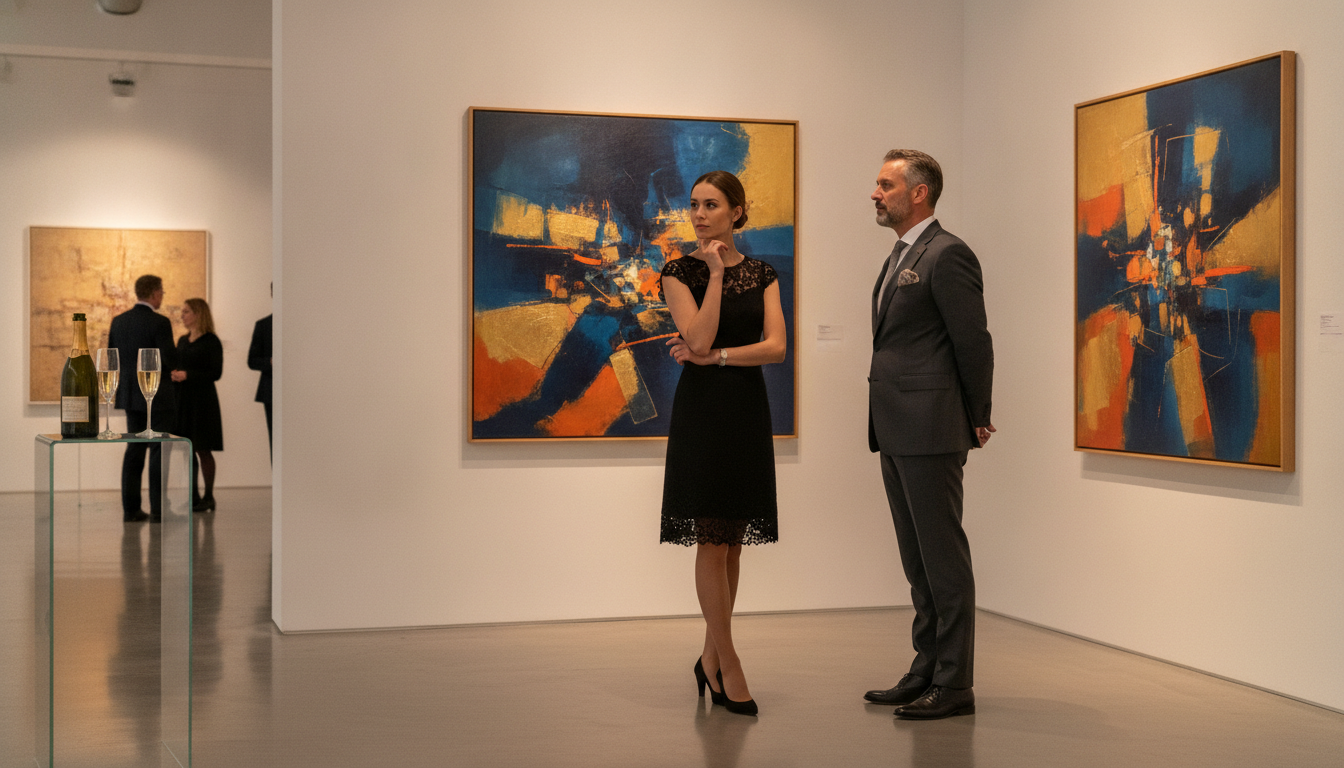
Philharmonie concerts on Saturday evening are sold out and crowded. The dress rehearsals on Thursday morning cost 8 euros and draw a completely different audience. Anyone who can take time off at 11 a.m. isn't part of the classic workforce. The likelihood of meeting self-employed people, investors or retirees with ample capital rises noticeably.
The Staatsoper Unter den Linden offers similar opportunities. Premiere performances cost up to 240 euros and are dominated by sponsors and corporate guests. The second or third performance of the same production draws real opera lovers who come out of their own interest. Tickets for the middle tiers between 60 and 90 euros strike a balance here between accessibility and selection.
An insider tip: matinee events at the Deutsche Oper. These Sunday morning concerts combine music with introductions to the works. The audience is largely made up of educated, culture-minded people over 45. The conversations afterward over coffee and cake in the foyer offer relaxed opportunities to connect.
Antiquarian and specialty bookstores
Everyone walks through Thalia and Hugendubel. The Antiquariat Petzold in Charlottenburg is entered by those looking specifically for first editions or rare volumes. A conversation about a signed Kafka edition or an incunabulum comes more easily here than in a coffee bar. Prices range from 200 to 15,000 euros, and the clientele is correspondingly well-off.
The specialist bookstore Walther König at Hamburger Bahnhof focuses on art literature. A picture book on Gerhard Richter costs 280 euros here, a catalogue raisonné 450 euros. If you stop by regularly on Saturdays between 2 and 4 p.m., you'll meet recurring faces - collectors, gallery owners, wealthy art enthusiasts.
The Bücherstube Marga Schoeller in Charlottenburg works in an even more targeted way. This traditional bookstore hosts monthly readings followed by a reception. The number of participants stays manageable, and the average age is around 55. A conversation about the book under discussion offers a natural way in.
Understanding how wealthy Berliners tick
Unlike Munich or Hamburg, Berlin cultivates a culture of deliberate understatement. According to a survey by the Wealth-X database, around 3,200 millionaires live in Berlin, but very few show their status openly. The typical wealthy Berliner is more likely to drive a Volvo than a Ferrari, and wears COS rather than Gucci.
This mentality also shapes the places they frequent. While the banking district in Frankfurt or Schwabing in Munich are clearly defined millionaire hotspots, Berlin's upper class is spread out more widely geographically. Dahlem, Grunewald and Wannsee remain classic residential areas, but Prenzlauer Berg and Mitte are increasingly attracting wealthy residents too.
If you want to meet rich men in Berlin authentically, you should respect this attitude. Directness is appreciated, while status games tend to be rejected. A conversation about shared interests - art, literature, social developments - opens more doors than displayed interest in material wealth. Our post on psychological triggers when getting to know someone explains more about the psychological side.
Using time windows and frequency patterns
Timing decides success or failure. An example from practice: the gallery on Savignyplatz draws walk-in customers and tourists on Saturdays between 2 and 5 p.m. The same gallery is practically empty on Tuesdays between 11 a.m. and 1 p.m. - except for the serious collectors, who come at exactly that time because they can talk to the staff undisturbed.
Similar patterns show up at sports facilities. ASPRIA on the Ku'damm is much emptier on Wednesdays between 10 a.m. and 12 noon than after the end of the workday. People who work out at this time belong to the group of self-employed people or executives with flexible hours. The likelihood of meeting wealthy singles doubles compared with peak hours.
For cultural events, the rule is: the more unconventional the timing, the more selective the audience. Matinees, workshop talks on weekday afternoons or chamber concerts on Monday evenings attract people who come out of genuine interest - not because it happens to fit their leisure calendar.
A digital complement to the analog strategy

The places described work best in combination with targeted online platforms. While in-person encounters offer authenticity and depth, specialized apps allow pre-selection by concrete criteria. Platforms like MySugardaddy or similar services connect both worlds: the initial match online, the personal meeting at one of the places mentioned.
The advantage of this combination lies in efficiency. Instead of hoping to randomly meet the right person at the right place at the right time, digital pre-selection allows targeted planning. After a first online exchange, a meeting at a gallery vernissage or a cultural event can be arranged far more naturally than a classic "first date" at a restaurant. Our article on meeting rich singles through hobbies offers more on this approach.
Authentic conversations instead of superficial contacts
Clumsy pickup lines don't work at any of the five places mentioned. The context demands substance. If you can talk about the works on display in an art gallery, current business topics at a members club, or the conductor's interpretation at the Philharmonie, you create a basis for genuine interest.
That takes preparation. Before attending a gallery vernissage, it's worth taking a look at the artist's website. Before an executive seminar, reading relevant trade articles makes sense. This investment pays off: conversations develop depth, contacts stay memorable, and follow-up meetings come about organically.
At the same time: overdoing it looks transparent. Nobody expects art-historical expertise in a gallery or MBA-level knowledge in a business angel network. Authentic interest and a willingness to listen open more doors than feigned expertise.
Avoidable mistakes in execution
The most common mistake: getting too direct too quickly. A man who is interested in contemporary art and spends 8,000 euros on an executive program doesn't expect a clumsy approach after five minutes of small talk. Building rapport takes longer, but it lasts.
The second mistake: exaggerating or hiding your own financial situation. Wealthy men in Berlin value honesty. If you say openly that you share the same interests but come from a different financial background, you earn more respect than with put-on status gestures.
The third mistake: pursuing all five strategies at once. It works better to concentrate on one or two areas that match your own interests. If you love art, invest time in galleries and museums. If you enjoy sports, focus on high-end sports facilities. Authenticity comes from genuine engagement, not from strategically working through locations.
Frequently asked questions
Where are you most likely to meet rich men in Berlin?
Premium sports facilities like ASPRIA, golf clubs in Wannsee and private members clubs attract wealthy singles. Art galleries outside tourist hours and high-priced continuing education programs also offer good chances.
How expensive is access to these places?
The range goes from 8 euros for Philharmonie dress rehearsals to 12,000 euros for golf club admission. Executive seminars cost between 2,500 and 8,000 euros, and gallery vernissages are usually free.
Do these places work better than dating apps?
The two approaches complement each other. Apps allow targeted pre-selection, while in-person places create authentic encounters with shared interests as a natural conversation starter.
Which time of day works best?
Outside standard hours, the quality of encounters rises. Tuesday mornings in galleries, Thursday evenings at specialist talks and Sunday matinees at cultural events attract a more selective audience than weekend evenings.
How do I recognize real wealth in Berlin?
Berlin millionaires favor understatement. More relevant than designer clothing are where someone lives (Dahlem, Grunewald), how they spend their leisure time (expensive hobbies without visible price tags) and their willingness to spend four-figure sums on education or culture.
Conclusion: quality over quantity when choosing places
If you want to meet rich men in Berlin, you don't need a numbers-game strategy. Five well-chosen places with regular visits bring more than twenty random attempts. The locations described offer natural conversation openers, recurring encounters and an environment that puts real interests above superficiality.
Success depends on three factors: suitable time windows, authentic interest in the context, and patience in building a connection. Berlin differs from other cities through its culture of understatement. If you respect that and embrace the city's particular character, you'll find access to wealthy singles beyond the usual hotspots.
The combination of in-person encounters and digital pre-selection maximizes your chances. While platforms like MySugardaddy enable targeted searching, the places described provide the setting for meetings with substance. The investment in high-quality access pays off through the quality of the contacts.